|
|
|
City of Angels Director |
 |
 |
 |
cast |
SETTING
|
|
ORCHESTRA
|
 |
 |
 |
PRODUCTION STAFF Assistant Stage Managers ..................... Molly Dunn, Hayley Greenstreet* |
|
 |
 |
 |
 |
 |
 |
 |
 |
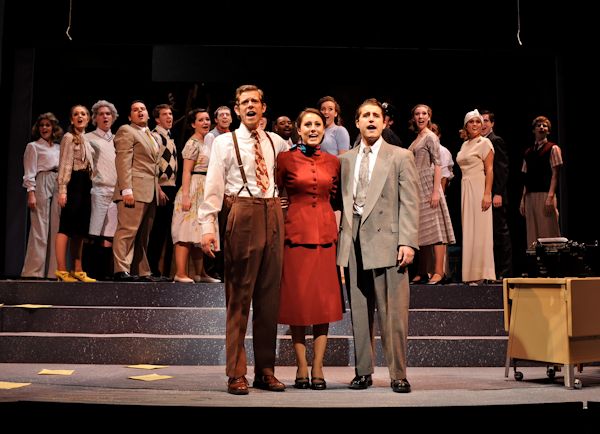 |
SPECIAL THANKS
Norman Coates
all photos by Bill Ray II |
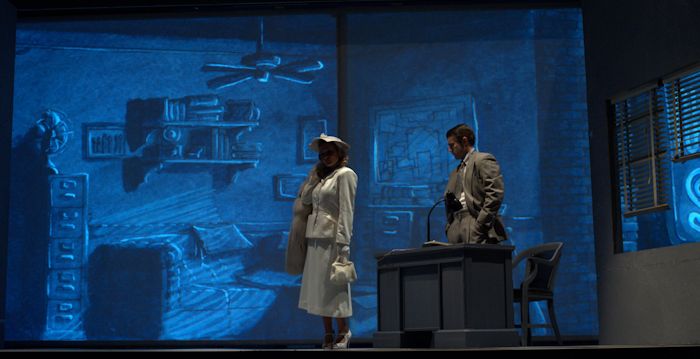
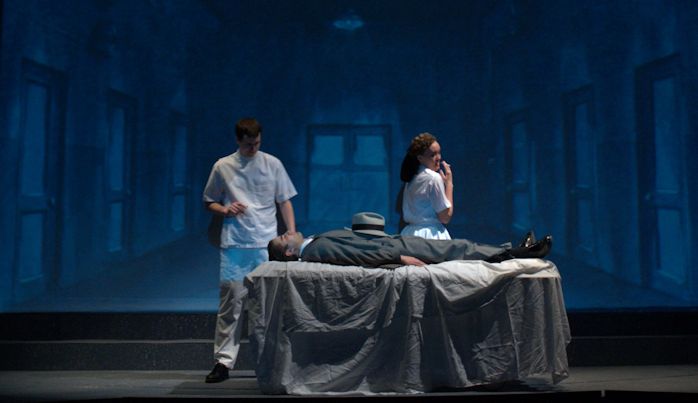
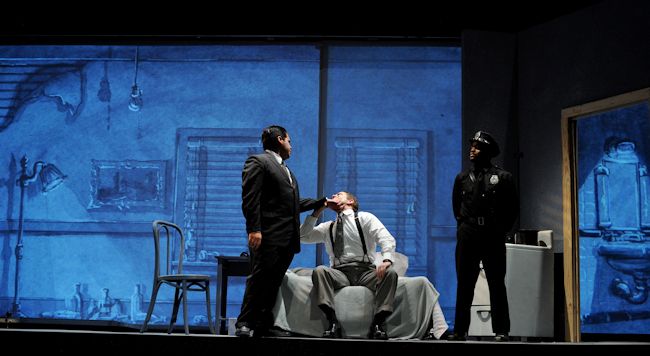
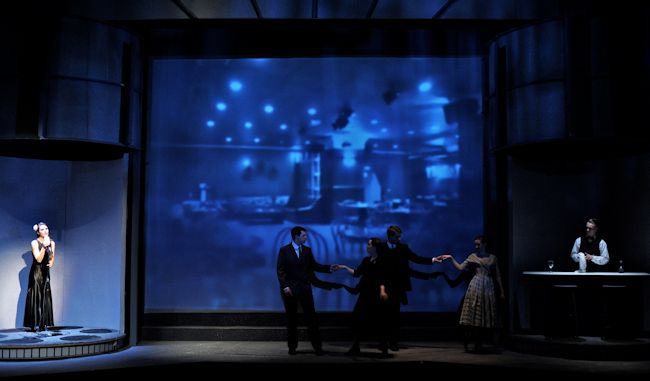
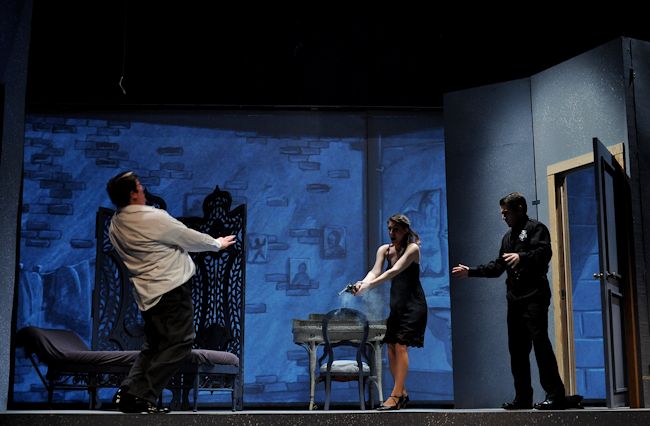
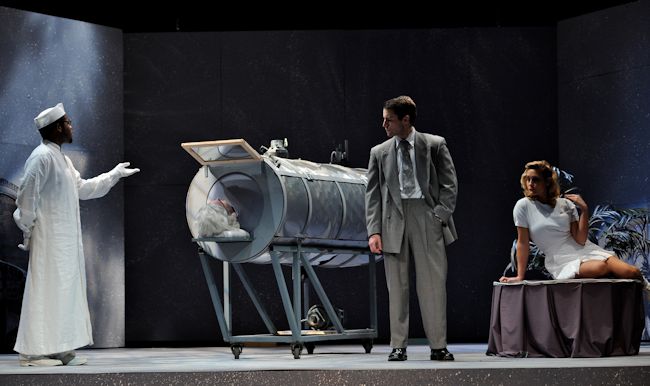
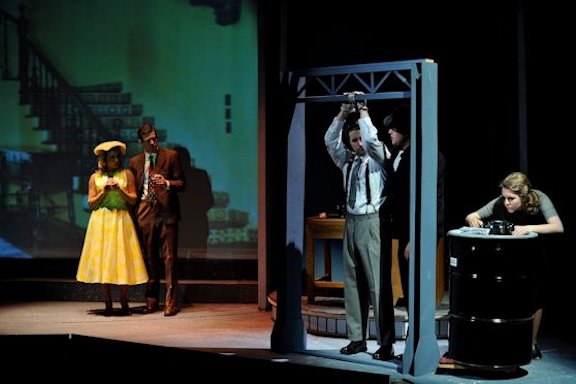
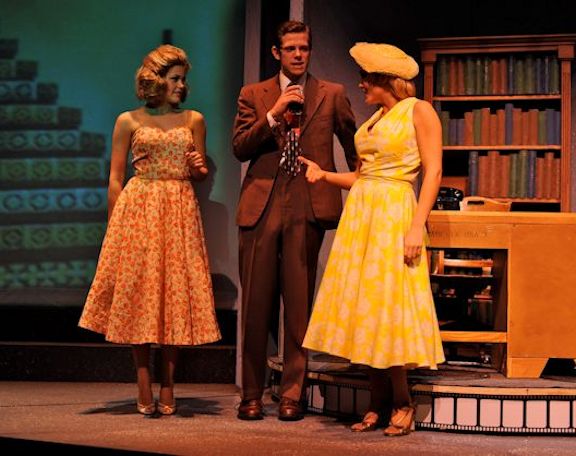
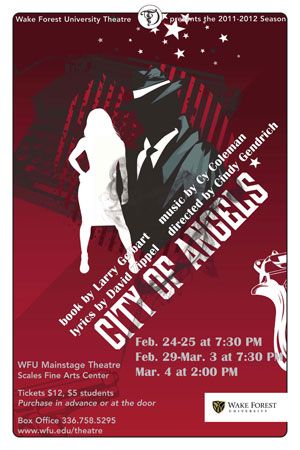
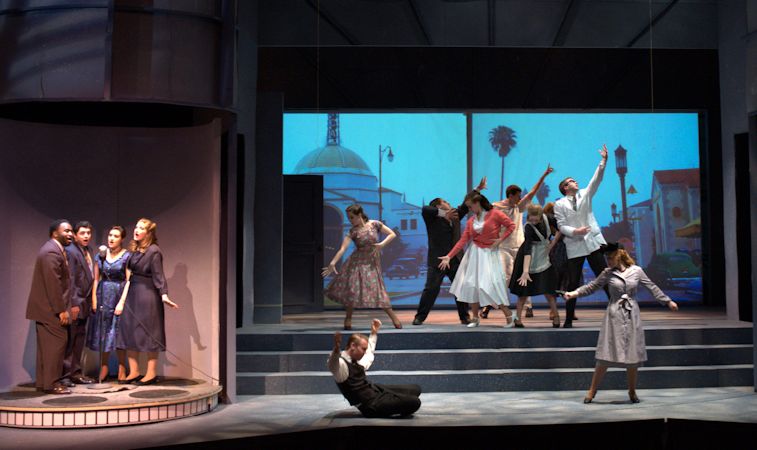
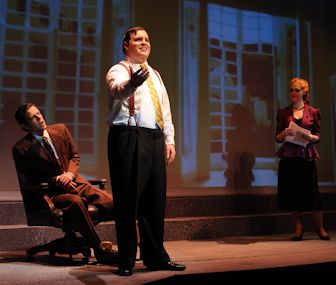
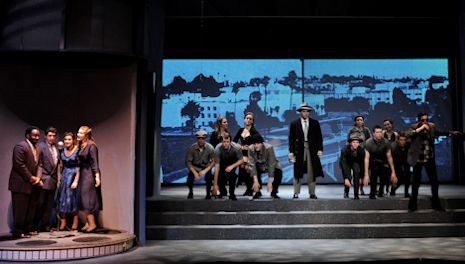
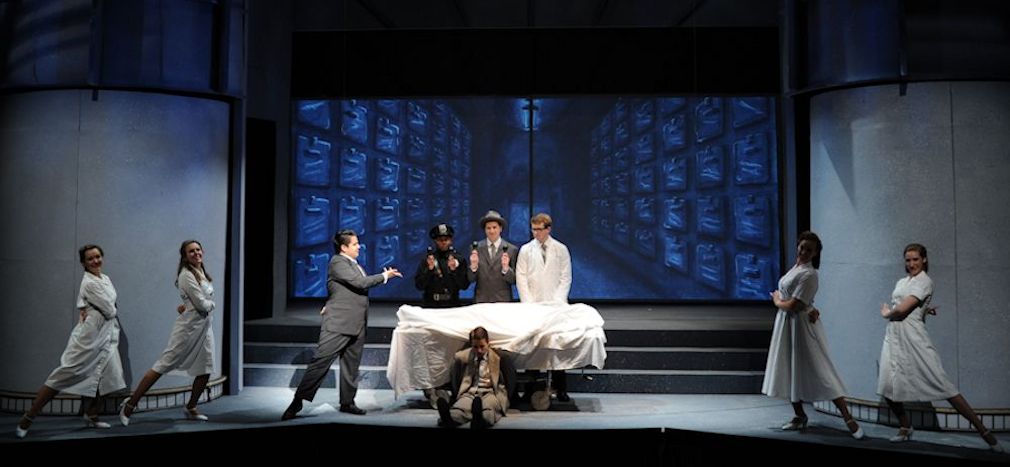
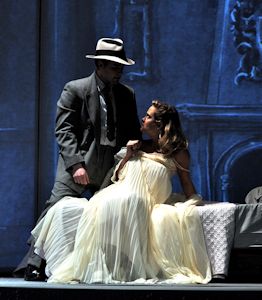
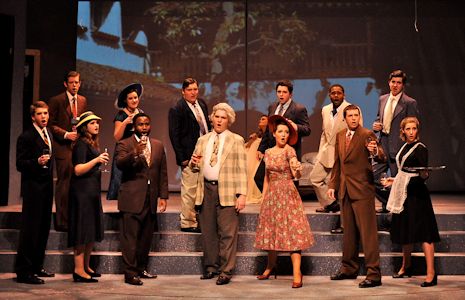
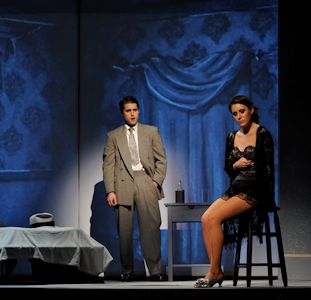
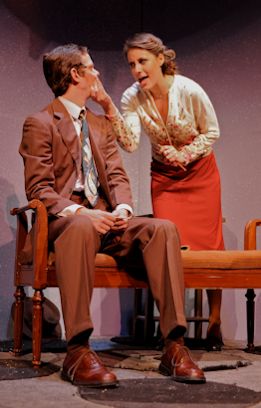
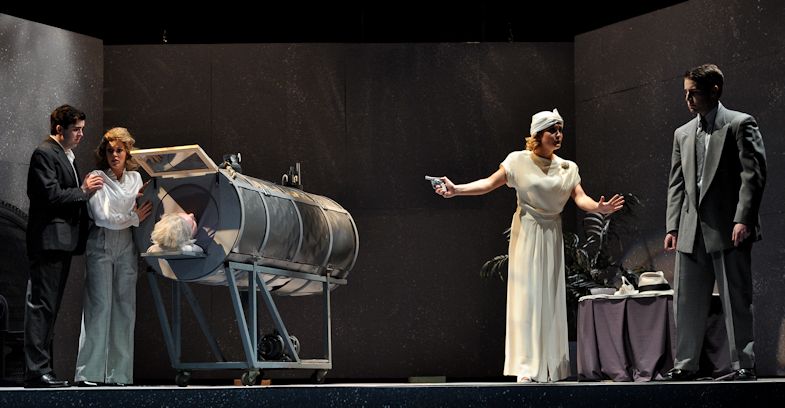
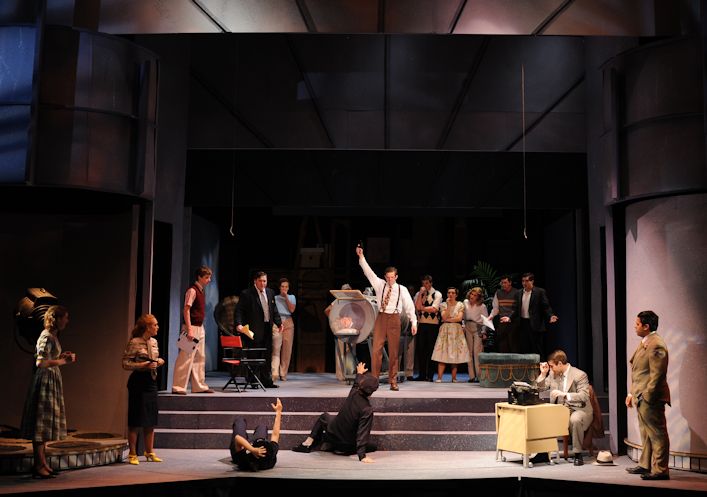
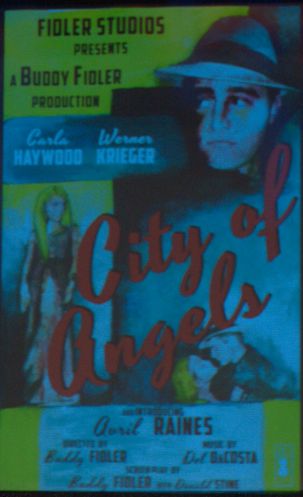
DIRECTOR’S NOTE Los Angeles was not the only setting used by Raymond Chandler and Dashiell Hammett for the hard-boiled detective stories of the 1930s and '40s, but it certainly was a frequent and memorable one. Raymond Chandler, in particular, exploited both his own biography and the changing landscape of LA in his gritty, carefully observed Philip Marlowe stories. Cars, alcohol, infidelity, Santa Ana winds, wealth and poverty, con men and prostitutes, new minority faces, shimmering light, winding canyon roads, and the growing city itself: what more did a mystery writer need to charge his imagination? Inspired, perhaps, by the same landscapes and their own experiences in Hollywood, Tony Award winning City of Angels writers Larry Gelbart (book) and David Zippel (lyrics) echo Chandler in character, theme, and writing style. They, along with composer Cy Coleman, also draw broadly from film noir and its own set of visual, aural, and stylistic inspirations, while almost magically melding them with jazz and musical theatre. A neat trick. Beyond the snappy dialogue, cool surfaces, and iconic characters, nothing draws all this together better than ideas about conscience and ethics. In City of Angels, the morally ambiguous world of the noir film seems positively black and white compared to the "real" Hollywood of 1949 movie making, where sex, money, and fame run the show—and one can be "happy" if pesky scruples don't get in the way. In 2012, it seems not much has changed since the era of the hard-boiled detective. Good and bad are all tangled up; ambition doesn't always lead to ethical decisions; people lie and cheat and disappoint each other. We therefore recognize ourselves in film noir—though at a comfortable distance. Watching The Big Sleep, Double Indemnity, Impact, Criss Cross, Kiss Me Deadly, The Maltese Falcon, and other noir classics is still pulpy fun, but coming out of WWII ideas about selfishness and idealism bubble close to the surface. City of Angels asks us to think about these same things, in its own stylish (musical!) package. Following my own conscience, I can’t close these notes without thanks to the amazing people who made this big undertaking possible. Designers Rob Eastman-Mullins, Mary Wayne-Thomas, and Jon Christman, technical director Trevor Anderson, and costume shop couturiers Lisa Weller and Alice Barsony worked magic. The actors were generous, happy collaborators from the first read-through. Jay Lawson freely gave of his time to help with voice-overs. Guest artist Susan Terry inspired and focused us. The orchestra worked their nimble fingers off. Nick Reichert and Bella Curry were terrific and detailed in their work on props and sound. Costume and scene shop workers, grips, board operators, dressers, hair & makeup, front of house and publicity staff all joined to pull things together. And my daily collaborators, Teresa Radomski, David Hagy, Rodney Luck, Tom Turnbull, Chandalae Nyswonger, Andrew Newton, and our amazing stage management crew kept standards high, made a difficult job pleasurable, and lightened the load at every turn. This show, in the words of Stine and Stone, would be nothing without them—and without you, the audience. Please enjoy. |